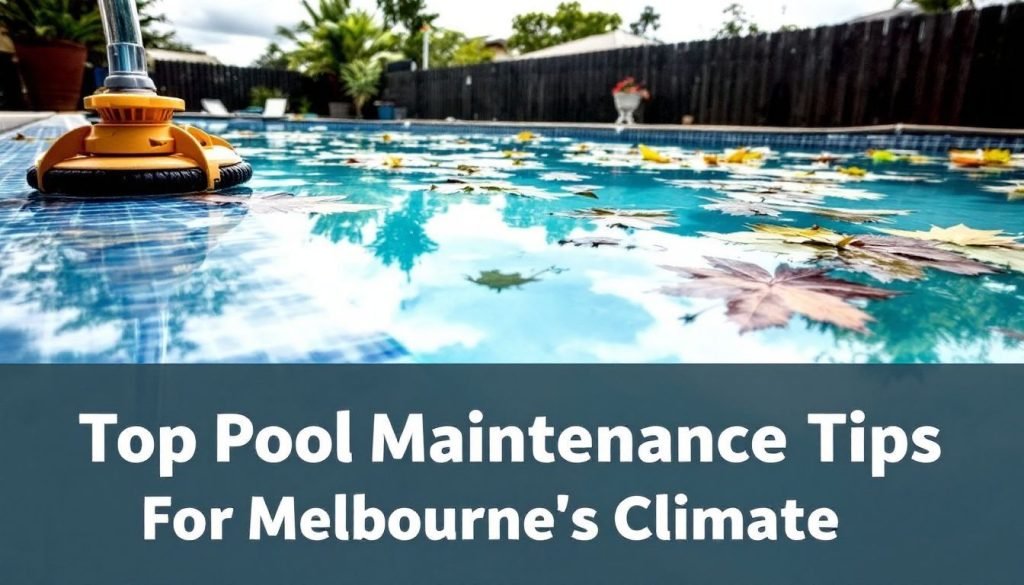
After heavy rain in Melbourne, your pool might look a bit sad. It could be full of leaves, dirt, and the water might not be clear. One important thing to do is scoop up all the visible debris from the pool.
This blog will show you how to clean your pool after heavy rain. We’ll talk about removing debris, cleaning filters, and getting the water crystal clear again. You’ll learn how to fix brown or green water fast.
Ready? Let’s get your pool back to being safe and fun!
Key Takeaways
- Start by removing all visible debris from your pool. Clean the skimmer and pump baskets to help the filter work well.
- Test your pool’s water and adjust chemicals like chlorine and pH levels for safe swimming. Use a clarifier or flocculant to clear cloudy water.
- Shock your pool to kill bacteria and algae after heavy rain. Then, use a flocculant to gather small particles for easier removal.
- If there’s mud or more serious storm effects, remove big debris first, then treat the muddy water with shock treatment and clarifiers.
- Keep up regular maintenance like checking water chemistry, cleaning filters, and vacuuming to keep your pool ready for swimming after heavy rains in Melbourne.
Initial Cleaning Steps After Heavy Rain
After heavy rain, start by removing any visible debris from the pool. Next, clean the pool filter to ensure it works well.
Remove visible debris
Scoop up all visible debris from the pool after heavy rain. This includes twigs, leaves, and dirt that may have blown in. Use a net to catch floating items. Remove anything resting on the bottom of the pool as well.
You want your water clean for swimming.
Cleaning out the skimmer is also crucial. Check for any buildup of dirt, bugs, or leaves stuck inside it. Clear this out to keep your pool filter working effectively. A clean skimmer helps maintain proper water flow and filtration.
Taking these steps will help restore your pool’s look and feel after a storm or flooding. Your goal is to ensure safe swimming conditions again quickly by removing obstacles that might cloud your pool water.
Clean the pool filterA clean pool starts with clear water.
After you remove all the visible debris, it’s time to clean the pool filter. A dirty filter can make water cloudy and unsafe for swimming. Clean out any dirt, twigs, leaves, or bugs stuck in the skimmer and pump baskets.
Make sure the filters are clear so they can work well.
Next, check if your filter needs a backwash or cartridge cleaning. This will help keep your pool’s water clean after heavy rain. A well-maintained filter helps control algae growth too.
It is a key part of proper pool maintenance after storms in Melbourne.
Regularly cleaning your pool filter ensures it works effectively. Take this step seriously to protect your pool’s health and safety for swimming.
Balance water chemistry
Your pool water needs the right balance of chemicals. Check and test the water after heavy rain. Keep pH levels between 7.2 and 7.6 for safe swimming conditions. Alkalinity should be between 80 and 120 ppm.
Adjust chlorine levels to ensure clear, clean water.
Add a clarifier or flocculant to help improve visibility in your pool. This will aid in getting rid of cloudiness caused by rain and debris. After balancing the chemicals, look for any equipment issues that may need fixing next.
Restoring a Murky Pool Water
To clear murky pool water, start by shocking the pool. This will kill any bacteria and algae, making the water clearer. After that, use a flocculant to help gather small particles together for easier removal.
Shock the pool
Shock your pool to clear up murky water after heavy rain. This process helps kill bacteria and algae that can grow in dirty water. Use a pool shock treatment product that fits your needs.
Follow the instructions on the label for best results.
After shocking, you may notice a change in colour or clarity of the water. Allow the chemicals to work for at least 24 hours before swimming again. Monitor the pool closely during this time to ensure safety.
Adding a clarifier or flocculant after shocking helps clear leftover debris from the bottom of your pool. These products bind tiny particles together so your filter can remove them easily.
Maintaining clean and safe water is key to enjoying your pool after rainstorms in Melbourne.
Use flocculant
Flocculant works well to clear murky pool water. It helps clump tiny particles together. This makes it easier for your filter to remove them. After a heavy downpour, applying flocculant can restore your pool’s clarity.
Add the flocculant according to the package instructions. Typically, you will need to dilute it in a bucket of water first. Pour it evenly around the pool’s edge. Wait for a few hours or overnight as it works its magic.
Once the time is up, check your pool filter and clean out any debris that has collected. Your pool should look much clearer now! If it’s still muddy after shocking, further treatment might be necessary before enjoying safe swimming conditions again.
Specific Steps for Cleaning After Flooding or Storms
After a storm, your pool might be filled with mud and debris. Start by removing large items like leaves and branches before treating the muddy water to clear it up.
Remove debris
Scoop up all the visible debris from your pool after heavy rain. This includes leaves, twigs, and dirt. Use a net or skimmer to collect this waste. Removing the debris helps keep your water clean and clear.
Check the skimmer and pump baskets too. Empty them of any trapped dirt, leaves, or bugs. Cleaning these parts is key for good pool filtration. It helps prevent clogs that lead to bigger problems later on.
Treat muddy water
After you clear the debris, it’s time to treat muddy water. Start by removing any thick mud that has settled at the bottom of your pool. Use a net or vacuum to get rid of as much dirt as possible.
This will help make your cleaning easier.
Next, add a strong shock treatment to the water. This helps kill bacteria and other harmful germs. After shocking the pool, use a flocculant or clarifier. These products work like magic for pools with cloudy water.
They gather tiny particles together so they can be filtered out easily.
Finally, clean all surfaces in your pool using chlorine or another cleaner designed for pools. This step kills any remaining bacteria and keeps things safe for swimming later on. It is important to ensure proper **water treatment** after heavy rain to have clean and clear pool water again.
Maintenance and Safety Tips for Pool After Heavy Rain
After heavy rain, keep an eye on your pool’s water level. Make sure to clean the pump and test for any algae before swimming.
Monitor water level
Check the water level in your pool after heavy rain. It may need to be partially drained if it is too high. This helps remove excess water that can lead to problems. A balanced water level keeps your pool clean and safe for swimming.
Use a skimmer to clean out any debris floating on top. This will help prevent dirt from settling at the bottom. Regularly monitor the chemicals as well, ensuring they are at correct levels for good sanitation.
Keeping an eye on these factors is key in maintaining your pool after heavy rain in Melbourne.
Vacuum if necessary
If your pool still looks dirty, vacuum it. This will help clear away any dirt or mud left after the rain. Use a manual or automatic pool vacuum to get rid of debris on the bottom and sides.
Make sure to clean out the skimmer and pump baskets too. They can catch leaves, twigs, and bugs that may have floated into your pool.
After you vacuum, check for any remaining muddy water. Treat it with chlorine or other cleaners to kill bacteria. Properly cleaning your pool is vital for safe swimming conditions after heavy rain in Melbourne.
You want clear water that is free from harmful germs and algae treatment for pools as well as keeping everything in good shape with regular maintenance schedule.
Properly maintain the pool pump
Cleaning your pool pump is key to keeping your water clear and safe. Start by checking the skimmer and pump baskets. Clear out dirt, twigs, leaves, or bugs that may block them. A clean basket helps the pump work better.
Next, inspect the pool pump for any signs of damage or wear. Look for leaks or cracks in the casing. If you find issues, fix them right away to avoid bigger problems later. Keeping up with regular checks ensures your pool runs smoothly after heavy rain.
Lastly, pay attention to how often you run the pump. You may need it working longer after a storm or flood to help clean muddy water. Properly maintaining your pool pump helps keep water clear and swimmers safe in Melbourne’s unpredictable weather conditions.
Test and treat for algaeTesting for algae is key after heavy rain. First, check your water for any signs of green or cloudy conditions. Algae can grow quickly if not treated fast. Use a test kit to measure the chlorine and pH levels in your pool water.
Make adjustments as needed to keep these levels balanced.
Next, shock the pool with chlorine to kill any algae present. Follow this by adding a flocculant or clarifier. These products help clear up murky water and remove any dead algae from your pool.
After treatment, run the pump continuously until the water clears up.
Keep an eye on your pool’s chemistry regularly to prevent future outbreaks of algae. Regular testing and immediate action are essential for maintaining clean swimming conditions in your pool after heavy rain in Melbourne.
Now let’s move on to discussing maintenance and safety tips for pools after storms.
Ensure safe swimming conditions
Check your pool water before swimming. After heavy rain, it may not be safe to swim right away. Test the water for chemicals and bacteria. Clean your pool with chlorine or other cleaners to kill any germs.
Look for algae blooms in the water. If you spot green or brownish hues, act quickly. Treat those colors by adding a flocculant or clarifier as needed. These steps help clear cloudy water after storms.
Keep an eye on the pool’s level too. If it’s too high from rainwater, drain some out carefully. Ensure all equipment works properly to keep your pool clean and safe for everyone.
Now, let’s move on to regular maintenance tips you can follow after heavy rain.
Regular maintenance schedule
A regular maintenance schedule helps keep your pool clean and safe. Clean the skimmer and pump baskets often to remove dirt, twigs, leaves, or bugs. This will help your pool filter work well.
Test your water chemistry at least once a week. Check for proper levels of chlorine and pH. Adjust chemicals as needed to prevent algae growth. Clear water is essential for safe swimming conditions.
Plan this routine after heavy rain in Melbourne to restore your pool quickly.
FAQs
1. How do I clean my pool after heavy rain in Melbourne?
To clean your pool after a storm or heavy downpour, start with debris removal from the pool using a net or vacuum. Then test the water and use water clarifiers or flocculants as needed to clear up any murkiness.
2. What steps should I take for pool maintenance after heavy rain?
After clearing out debris, you should run tests on your pool water. Based on results, adjust chemicals for balance and sanitation. Don’t forget to check and clean your filter too!
3. Why does my pool turn green or brown after rainfall?
Rainwater can bring in dirt, leaves and other pollutants causing muddy or green pools. Use a good quality flocculant followed by vacuuming to restore clarity quickly.
4. Is it safe to swim in my pool immediately after rain?
It’s best not to until you’ve done proper testing of the water post-rainfall for safety reasons! You need to ensure that all levels are balanced before swimming again.
5.How do I maintain my pump during wild weather conditions in Melbourne?
Regular maintenance is key! After extreme weather events like storms, make sure you remove any blockages from the pump basket and give it a thorough cleaning.