Keeping your Melbourne pool in top shape can be tough. You might notice changes in water quality, or maybe swimmers are complaining about eye sting and skin issues after a dip. One key player is often the cause: pH levels.
The right pH level stops pool water from getting acidic or too alkaline. This balance keeps chlorine working well to clean your pool. Our article will show you how to manage pH levels for better pool care and swimmer comfort.
You’ll learn simple steps to test and fix your pool’s pH. Ready? Let’s start improving your pool maintenance today!
Key Takeaways
- Keeping pH levels between 7.4 and 7.6 is best for pool water. This stops water from being too acidic or alkaline, making it safe for swimming.
- Regular testing of the pool’s pH can prevent harm to swimmers and damage to your pool equipment.
- Chlorine works best when the pH level is right, keeping the pool clean and germ-free.
- Proper alkalinity acts as a buffer to keep pH levels stable, making it easier to maintain good water quality.
- Talking to an expert about your pool’s chemical balance can help avoid problems and ensure long-lasting enjoyment of your Melbourne pool.
Understanding Pool Water Chemistry
Understanding pool water chemistry is essential for keeping your pool safe and clean. pH levels play a key role in how well chemicals work to keep your water balanced.
The importance of pH levels
The pH level in your pool is very important. It affects how well chlorine works. If the pH is too low, below 7, the water becomes acidic. This can cause stinging eyes and skin rashes for swimmers.
A pH above 8 means the water is alkaline, which can also harm swimmer comfort.
Keeping the ideal pH range between 7.4 and 7.6 ensures safety and maximises chlorine efficiency. Proper balance protects your pool equipment from corrosion too. If your water has high acidity or alkalinity, it may damage tiles or pumps over time.
Regular testing of pool water helps maintain optimal pH levels. Use tests kits to check frequently and adjust as needed for best results in pool maintenance in Melbourne.
Ideal pH range for poolsA balanced pH makes swimming safe and enjoyable for everyone.
Ideal pH levels for pools fall between 7.4 and 7.6. This range is safe for swimmers and helps chlorine work effectively. Keeping the pH within this range maximises pool sanitation, ensuring a clean swimming experience.
Water with a pH below 7 is acidic. Acidic water can sting eyes and irritate skin. A pH above 8 means the water is alkaline, which can also cause problems like skin rashes for swimmers.
Maintaining proper alkalinity levels is crucial as well. Good alkalinity supports stable pH levels in your pool. Protecting your pool equipment from corrosion also depends on keeping these numbers right.
Effects of acidic and alkaline water
Acidic and alkaline water can harm your pool. A pH level below 7 means the water is too acidic. This can cause stinging in swimmers’ eyes. It may also lead to skin rashes. On the other hand, a pH above 8 indicates high alkalinity.
Alkaline water is not comfortable for swimming either.
Proper pH balance helps keep your pool safe and clean. An ideal pH of 7.4-7.6 maximises chlorine efficiency. It protects equipment from corrosion too, helping you avoid costly repairs over time.
Maintaining this balance is essential for a great swim experience and overall pool care.
Maintaining Optimal pH Levels
Maintaining the right pH levels is key for your pool’s health. Test your water regularly to keep it balanced and safe for swimmers.
Regular pool testing
Regular pool testing is key for good water quality. Check your pool’s pH at least once a week. The ideal pH range for pools is 7.4 to 7.6. This level helps chlorine work well and protects swimmers from skin rashes and eye irritation.
Testing also tells you about the acidity or alkalinity of the water. A pH below 7 indicates too much acidity, while a level above 8 shows high alkalinity. Both can cause problems, like discomfort for swimmers and damage to your pool equipment.
Make use of easy-to-use test kits available in stores or online. They help you balance chemical levels quickly and ensure your pool stays safe year-round. Keeping track of these numbers keeps your swimming space enjoyable for everyone who uses it.
Balancing chemical levels
Balancing chemical levels in your pool is key to keeping it safe and clean. Focus on the pH levels first. The ideal range for pool water is between 7.4 and 7.6. This balance helps maximise chlorine efficiency, making it work better to kill germs.
Take time to test your pool water regularly. Use a simple kit to check the pH level along with chlorine levels and other chemicals. If the pH is too low, add a substance called soda ash or sodium bicarbonate to raise it.
If it’s too high, use muriatic acid or baking soda to lower it.
Proper alkalinity also plays an important role in balancing chemical levels. It acts as a buffer for pH changes, keeping the water stable. Without proper alkalinity, you may see rapid swings in pH that can damage your equipment and cause skin irritation for swimmers.
Importance of alkalinity
Alkalinity helps keep pool water stable. It acts as a buffer against pH changes. If alkalinity is too low, the pH can swing wildly. This makes it harder to maintain the optimal pH range of 7.4-7.6 for your pool.
High alkalinity will cause the water to become alkaline, leading to a pH level above 8.0. This can irritate swimmers’ skin and eyes and reduce chlorine efficiency in keeping your pool clean.
Proper alkalinity levels are key for a safe swimming experience and protecting your equipment from damage.
The Impact of pH on Pool Maintenance
The pH level in your pool affects how well chlorine works. It also impacts swimmer comfort and safety. If the pH is off, it can harm your pool surfaces too. Keep reading to learn why managing pH is key for a healthy pool!
Chlorine efficiency
Chlorine plays a vital role in keeping your pool clean and safe. Its effectiveness relies heavily on the pH level of the water. A proper pH balance allows chlorine to work optimally, killing bacteria and germs that can harm swimmers.
Aim for a pH range between 7.4 and 7.6 for maximum chlorine efficiency.
When the pH is too low, below 7, the water becomes acidic. This situation reduces chlorine’s ability to disinfect effectively. It also leads to stinging eyes for swimmers. On the other hand, if the pH rises above 8, it becomes alkaline.
High alkalinity can cause skin rashes and also makes it harder for chlorine to sanitise properly.
Maintaining optimal pH levels protects your pool equipment from corrosion too. Proper chemical balance ensures both swimmer comfort and safety while extending the life of your pool assets like pumps and filters.
Regular testing will help you keep everything in check so you can enjoy clean water all year round.
Swimmer comfort and safety
Proper pH levels in your pool affect swimmer comfort and safety. If the pH is too low, it can irritate swimmers’ eyes. A pH level below 7 means the water is acidic. This can lead to stinging sensations for those enjoying a swim.
On the other hand, if the pH rises above 8, the water becomes alkaline. High alkalinity may cause skin rashes for some users. The ideal range for pool water is between 7.4 and 7.6.
Keeping your pool within this range helps protect everyone from discomfort.
Maintaining balanced pH levels also ensures that chlorine works well to sanitise the water. Properly treated water prevents harmful bacteria from affecting swimmers’ health and safety while they enjoy your Melbourne pool.
Preventing damage to the pool
Maintaining the correct pH levels in your pool prevents damage. A pH level above 8 can cause skin rashes for swimmers. It also leads to corrosion of pool equipment. High alkalinity makes it hard for chlorine to work well, which affects sanitation.
On the other hand, a pH below 7 causes too much acidity. This can lead to eye irritation and harm your pool’s surfaces over time. Keeping the ideal pH range of 7.4 to 7.6 protects both swimmers and your investment in pool maintenance.
Regular testing is essential for achieving this balance and ensuring a safe swimming environment.
Expert Pool Maintenance Advice for Melbourne Residents
Keep your pool clean and clear. You should talk to a professional about balancing your water regularly.
Regular pool cleaning
Regular pool cleaning is vital for good maintenance. It helps keep the water clear and safe to swim in. A clean pool allows you to enjoy swimming without worry. Regular cleaning also supports the pH levels of your pool.
Dirt and debris can mess with water chemistry. If left unchecked, they can lower chlorine efficiency. This means swimmers may not have a safe experience in the water. Clean pools also reduce skin rashes caused by high pH levels or acidity.
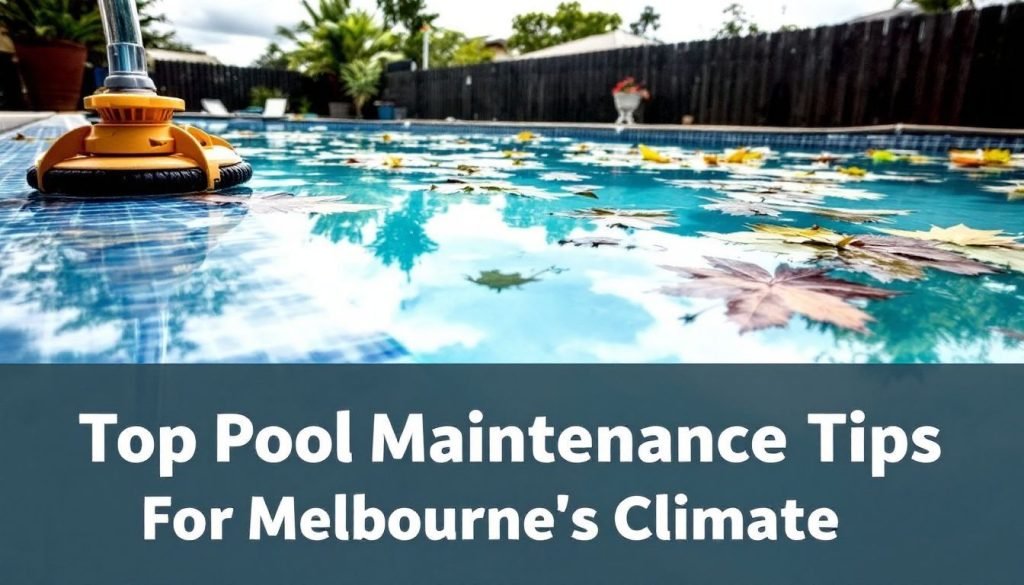
You should clean the pool at least once a week. Remove leaves, dirt, and any other waste from the surface and bottom of the pool. Skimming regularly helps maintain optimal pH levels too, so pay close attention during your routine cleanup session.
Next, focus on consulting a professional for water balance to ensure everything stays just right.
Consulting a professional for water balance
Consulting a professional for water balance is key for your pool. They have the tools and knowledge to check pH levels accurately. Proper pH levels help chlorine work best. This ensures clean and safe water for swimming.
Professionals can spot issues early. If your pH is too low, the water becomes acidic. This can cause skin rashes and eye irritation for swimmers. A high pH, over 8, leads to alkaline conditions that may also harm swimmers.
An expert can help maintain that sweet spot of 7.4-7.6 in your pool’s chemical balance. This ideal range maximises chlorine efficiency and protects equipment from damage or corrosion.
Getting advice from a pro keeps both you and your pool happy.
Importance of proper pH levels for pool longevity
Proper pH levels are vital for the longevity of your pool. The ideal range is between 7.4 and 7.6. Keeping pH within this range helps chlorine work better to sanitise the water, ensuring a safe swimming experience.
High or low pH can cause problems. If the pH is above 8, swimmers may get skin rashes. A level below 7 can lead to stinging eyes. Maintaining proper pH also protects your pool equipment from corrosion and damage, saving you money on repairs over time.
Proper pool water pH matters in Melbourne pool maintenance for enjoyment and protection of your investment.
FAQs
1. Why do PH levels matter in Melbourne pool maintenance?
PH levels are vital in maintaining pools in Melbourne because they measure the water’s acidity, which impacts the health and safety of swimmers.
2. How can incorrect PH levels affect my pool?
If your pool has too high or low PH levels, it could harm both the swimmers and the pool equipment due to changes in water acidity.
3. What happens if I ignore checking PH Levels during my Pool Maintenance?
Ignoring PH level checks during your pool maintenance might lead to an imbalance of water acidity that could cause skin irritation for swimmers and damage to your pool system.
4. Can I adjust the pH level myself as part of my Melbourne Pool Maintenance routine?
Yes, you can adjust pH levels yourself as part of your routine Melbourne pool maintenance by using specific chemicals designed for this purpose.