Having green algae in your Melbourne pool can be a real nuisance. You want to enjoy a clear, clean swim, but instead, you’re greeted with murky water. One key fact to know is that high chlorine levels might actually cause algae if not managed well.
This article will guide you on getting rid of green algae and keeping your pool sparkling.
We’ll share tips on pool cleaning, using the right chemicals, and how to maintain your pool after rain or heavy use. Soon, your pool will be free from green algae. Keep reading for all the details!
Key Takeaways
- Green algae grow in pools from warm water, sunlight, and lack of cleaning. It makes pools unsafe and uninviting.
- To remove green algae, skim and brush your pool regularly. Use strong chlorine treatments and algaecide to kill it off.
- Keeping the right pH level between 7.2 and 7.6 is important to stop algae growth. Check chemical levels often.
- For clear water, run your pool pump daily and clean filters regularly to avoid stagnant water where algae can thrive.
- Regular maintenance like skimming debris, checking chemical balance, and using shock treatments after rain helps prevent green algae return.
Understanding Green Algae in Pools
Green algae can grow in pools due to warm water and sunlight. It’s essential to remove it quickly as it makes the water unsafe and uninviting.
What causes green algae growth?
Green algae grow in pools because of several factors. Warm weather and sunlight are strong contributors. They thrive when the water is warm and exposed to light. Poor water circulation allows them to take hold easily.
High chlorine levels can also lead to algae growth, even though chlorine usually fights it off. If you do not have enough sanitising chemicals in your pool, green algae can flourish quickly.
Dirty filters or low total alkalinity make problems worse and encourage algae’s spread.
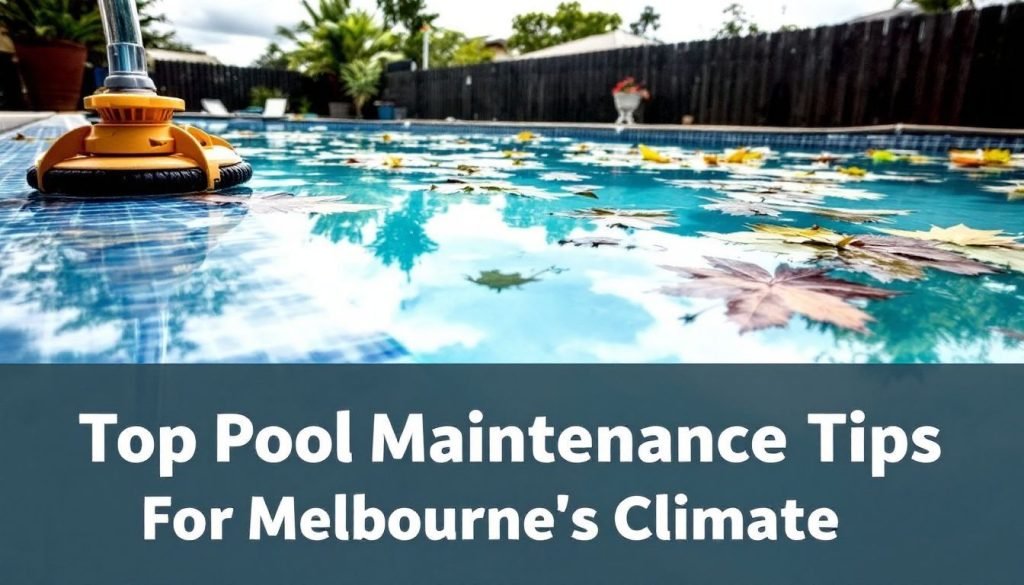
Rain brings debris into your pool, which may feed the algae too. After heavy rain, it’s important to treat green pools right away with effective solutions for green algae in Melbourne pools.
Skimming out any floating debris helps a lot in clearing pool water from algae.
Why is it important to get rid of algae in pools?Taking action early keeps your pool clean and beautiful.
Getting rid of algae in your pool is essential for health and safety. Algae can make the water unsafe for swimming. It creates a slippery surface, which increases the risk of slipping and falling.
Green algae can also cause skin irritations or other health issues.
A clean pool looks more inviting. Nobody wants to swim in green, murky water. Treating pool algae helps restore crystal-clear water that you and your family can enjoy. High levels of chlorine can bleach out the green colour within two hours, but it’s important to use enough shock treatment first to clear suspended algae.
Cleaning your pool helps prevent further growth of unwanted algae. Skimming debris out regularly stops algae from spreading and reproducing in your water. Using algaecide will effectively kill off any remaining floating life in the pool too.
Regular maintenance ensures you have a safe place to relax during those hot Melbourne days.
Tips for Removing Green Algae in Melbourne Pools
To remove green algae from your pool, start by skimming and brushing the surfaces. Next, apply algae-killing products to clear up the water quickly.
Skim and brush the pool
Skimming and brushing your pool is a key step in keeping it clean. These tasks help remove algae and debris that can cause green water.
- Skim the surface: Use a skimmer net to scoop out leaves, bugs, and other debris. This keeps your pool looking tidy and prevents algae from getting food.
- Brush the walls: Grab a pool brush and scrub the walls and floor of your pool. This helps loosen any algae stuck to the surfaces. Pay extra attention to shady spots where algae like to grow.
- Check for clumps of algae: Look for any visible green patches or clumps while you skim and brush. Removing these quickly can stop them from spreading.
- Do this regularly: Skim and brush your pool at least once a week. Keeping up with this routine will reduce algae growth.
- Combine with other treatments: After skimming and brushing, apply chlorine or an algaecide to kill any remaining algae. This will help sanitise the water effectively.
- Work after rain or storms: Heavy rains can wash dirt into your pool, leading to green water problems. Always skim and brush after such events to maintain cleanliness.
- Clean your equipment often: Always rinse off your skimmer net and brushes after use to prevent spreading algae back into the pool.
Keeping up with these steps will help you maintain a clean swimming environment. Regular maintenance makes dealing with pool algae in Melbourne much easier later on!
Use algae-killing products
Algae-killing products are essential for keeping your pool clean. They help remove green algae and make your water safe to swim in.
- Apply chlorine vigorously. Use a heavy treatment of chlorine, either granular or liquid. This will sanitise the pool and kill off any algae present.
- Shock the pool. Add enough shock to turn the water blue or grey. Shocking helps get rid of suspended algae floating in your pool.
- Use high-strength algaecide. These products effectively kill algae and other life in the water. Check the instructions for proper use.
- Follow chemical levels carefully. After adding chemicals, monitor your pool’s total alkalinity and pH levels closely. Aim for total alkalinity between 80-120ppm to prevent further growth.
- Scoop out debris. Before applying treatments, remove as much algae and debris as possible from the surface and bottom of the pool.
- Treat after rainfall. Algae can grow quickly after rainwater enters the pool, so treat it immediately with appropriate products to restore clear water.
- Wait for results. Chlorine will start to bleach out the green colour within about two hours of application.
Taking these steps will help you effectively eliminate green algae in your Melbourne pools and ensure clean water for swimming enjoyment! Next, we’ll discuss how to prevent future growth of green algae in pools.
Maintain proper pH levels
Keeping the right pH level in your pool is vital. It helps prevent green algae growth and keeps your pool clean.
- Aim for a pH level between 7.2 and 7.6. This range is best for pool water treatment and algae control.
- Test the pool water regularly. Use a pH test kit or strips to check the levels often. Make adjustments as needed.
- If the pH is too low, add sodium bicarbonate (baking soda). This raises the pH and protects against algae growth.
- For high pH levels, use muriatic acid or dry acid to decrease it. Make sure to follow safety directions on the label.
- Correct Total Alkalinity should be kept between 80-120 ppm using BARACUDA Buffer. This helps maintain water balance and prevents algae.
- High chlorine levels can sometimes cause algae despite proper sanitation. Regularly monitor both chlorine and pH levels.
- Keep track of changes after rainfalls, as pools can become unbalanced quickly when debris enters the water.
- Chlorine will bleach out green algae within two hours if the correct levels are maintained consistently in your pool.
- Skim off any floating debris daily to reduce contamination that may lead to discoloration and algae growth.
- Make it a habit to adjust chemical levels at least once a week during peak seasons for better pool sanitation and prevention of green algae in Melbourne pools.
Preventing Green Algae Growth in Pools
To stop green algae from growing, keep your pool clean and clear. Regularly check the water’s chemical levels to ensure they are balanced.
Regular pool maintenance
Regular pool maintenance is key to a clean pool. Keeping your pool in good shape prevents algae growth.
- Skim the surface daily. Use a net to remove leaves and debris. This stops organic matter from sinking and causing algae.
- Brush the walls and floor weekly. Scrub all surfaces including corners where algae can hide. This action helps remove any small particles before they turn into bigger problems.
- Test chemical levels twice a week. Check chlorine, pH, and alkalinity levels regularly. Ideal pH should be between 7.2 and 7.6 for preventing algae growth.
- Shock the pool every two weeks or after heavy rain. Add enough shock that it turns the water blue/grey instantly, killing any floating algae.
- Use high strength algaecide when needed. Apply this product in accordance with the instructions on the label for effective treatment against algae in pools.
- Keep filtration running at least 8 hours a day. This ensures proper circulation, which helps distribute chemicals evenly throughout the pool water.
- Set a cleaning schedule for your pool equipment as well. Clean filters and skimmer baskets regularly to improve filtration efficiency.
- Adjust total alkalinity to 80-120ppm using BARACUDA Buffer if needed to maintain balanced water chemistry and prevent algae growth effectively.
- Run your pump regularly after heavy storms, as rain can introduce debris and contaminants that lead to algae problems later on.
- Scoop out as much visible algae found in the pool immediately during maintenance sessions to limit its spread in clean water zones.
Follow these steps closely to keep your Melbourne pool free from green algae and ready for enjoyment!
Proper circulation and filtration
Proper circulation and filtration are crucial for keeping your pool clean. This helps to prevent algae growth in Melbourne pools.
- Ensure that your pool pump runs for at least 8 hours a day. This will help circulate the water properly and keep it clear.
- Check the filter regularly. A dirty filter can stop water from moving, leading to stagnant areas where algae thrive.
- Clean the skimmer basket often. This catches leaves and debris that can cause murky water and promote algae.
- Use a high-quality filter media, like sand or cartridge filters. These options trap fine particles better, aiding in clear water.
- Keep an eye on the water chemistry balance. Correct Total Alkalinity should be between 80-120ppm using BARACUDA Buffer to prevent algae growth effectively.
- Adjust the pH levels as necessary. Lowering pH helps stop algae from growing, especially if it’s higher than 7.6.
- Test the chlorine levels as well. Chlorine must be strong enough to bleach out green algae while keeping the pool safe for swimmers.
- Regularly brush the walls and floor of your pool. This breaks up any stubborn algae clinging to surfaces before it spreads.
- After heavy rain, run your filtration system longer to clear out debris that may have entered and contribute to pollution.
- Use a clarifier if needed. It helps pull smaller particles together so they can be filtered out more easily, keeping your pool water sparkling clean.
Implementing these tips ensures proper circulation and filtration in your pool, helping you eliminate green algae effectively in Melbourne pools.
Monitoring and balancing chemical levels
Proper circulation and filtration help keep your pool clean. Next, you need to focus on monitoring and balancing chemical levels. This is vital for preventing green algae growth.
- Test the water regularly. Use a pool testing kit to check pH levels and chlorine strength. Aim for a pH level between 7.4 and 7.6 for the best results.
- Adjust Total Alkalinity to 80-120 ppm. You can use BARACUDA Buffer for this task. Correct alkalinity helps stabilise pH levels and prevents algae growth.
- Shock your pool with chlorine as needed. Add enough shock until the water turns blue or grey. This action will clear suspended algae from the water quickly.
- Use high-strength algaecide if algae persist. It effectively kills off any remaining algae or other life in your pool, ensuring clear water.
- Keep an eye on chlorine levels too, even if they seem high already. Surprisingly, high levels can still allow algae to form despite the sanitation process.
- After heavy rain, always test your pool water again for imbalances caused by runoff or debris. Treat green pools immediately to eliminate any new algae growth.
- Maintain consistent testing at least once a week during peak swimming season and more often if you notice changes in your pool’s appearance.
- Create a schedule for adding chemicals like chlorine and algaecides based on your test results, ensuring that you stay ahead of possible algae problems.
- Track changes in weather conditions regularly; hot days can increase chemical needs due to evaporation or increased usage of the pool.
Conclusion: Enjoying a Clean and Algae-Free Pool in Melbourne
Enjoying a clean pool is easy. Follow the steps to remove green algae. Keep your pool well maintained. Regular checks will help prevent future growth. With clear water, you can swim and relax all season long in Melbourne.
FAQs
1. How can I get rid of green algae in my Melbourne pool?
To eliminate green algae from your Melbourne pool, you need to use proper pool cleaning chemicals including chlorine treatment and maintain the right pH balance.
2. What are some tips for removing algae from pools?
Some useful tips include maintaining a regular cleaning schedule, using reliable pool algae treatments, checking the water pH regularly and preventing excessive growth through chemical treatments.
3. Is there a solution for green pool water caused by algae?
Yes, treating green algae in pools involves using specific chemicals like chlorine, ensuring your pool’s pH balance is correct and keeping up with regular maintenance to control any potential algae growth.
4. Why does my Melbourne Pool have so much Green Algae?
Green Algae thrives when the water pH balance is off or if there’s insufficient chlorine treatment. Regular checks of these factors help prevent this issue.
5. Can I prevent future growth of green algae in my Melbourne Pool?
Absolutely! Preventing green algae involves consistent maintenance such as monitoring the chemical levels, keeping an eye on your pool’s pH balance and applying suitable treatments as required.