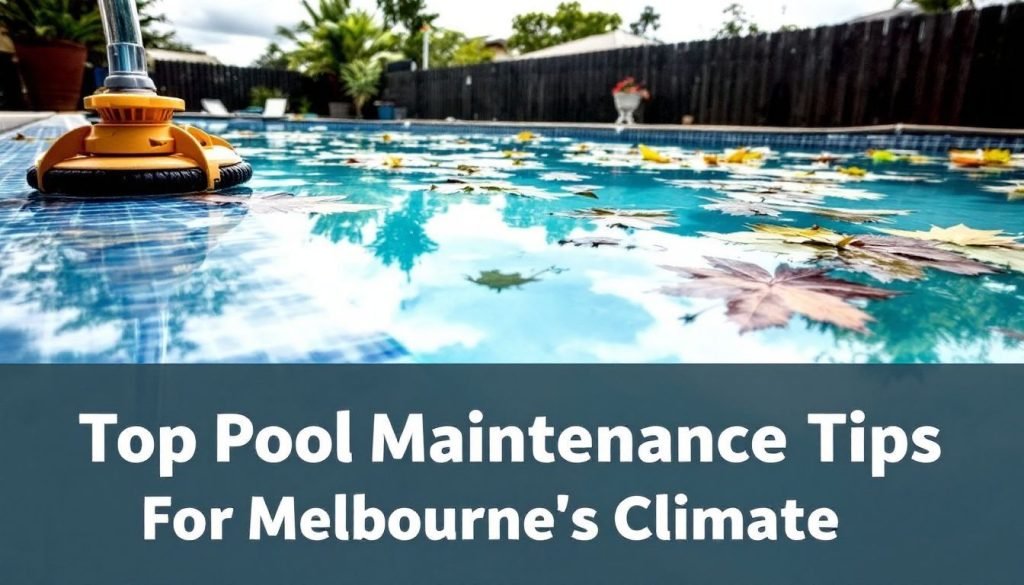
As Melbourne’s cooler months roll in, your pool needs extra care. You might see leaves falling and feel the chill in the air, making you think it’s time to ignore your pool until summer.
But not looking after it now could lead to bigger problems later. In Melbourne, keeping your chlorine levels at 2-3 parts per million (PPM) during winter is a key fact to remember.
This blog will show you how to keep your pool in top shape all through the colder weather. From cleaning to balancing water chemistry, we’ve got tips and tricks for every step. You’ll learn about using a pool cover, vacuuming, and why keeping an eye on pH levels matters even when you’re not swimming.
Get ready to make your pool winter-proof!
Key Takeaways
- Clean and vacuum your pool to remove leaves and dirt. Balance the water’s pH level between 7.2 and 7.6.
- Keep chlorine levels at 2-3 parts per million (PPM) during winter to prevent algae growth.
- Use a pool cover to stop leaves from getting in. Check the water regularly under the cover.
- Test water often for pH, alkalinity, and chlorine levels during winter months.
- Deep clean your pool before spring arrives. Make sure all equipment is working well.
Winterising Your Pool: The Essential Steps
Winterising your pool is vital for keeping it in good shape. Follow some key steps to prepare it for the cooler months ahead.
Cleaning and vacuuming
Cleaning and vacuuming your pool is essential for winter care. Start by skimming off leaves and debris from the surface. This step keeps your pool clear and clean. Next, use a pool vacuum to remove dirt from the bottom.
Regular cleaning prevents algae growth during Melbourne’s cooler months.
After vacuuming, focus on balancing water chemistry. Aim for a pH level between 7.2 and 7.6 for healthy water. Keep chlorine levels consistent at 2-3 parts per million (PPM). This balance helps protect your family by maintaining safe swimming conditions if you open the pool during warmer days in winter.
Use a good-quality pool cover after cleaning to keep unwanted items out of the water. A cover stops leaves and contaminants from entering your pool while it’s not in use. Following these steps will help ensure that your pool remains in good condition throughout winter, making spring preparations easier when warmer weather arrives.
Balancing water chemistry
Balancing water chemistry is vital for your pool during Melbourne’s cooler months. Aim to keep the pH level between 7.2 and 7.6. This range helps protect your family’s health and keeps the water clear.
Alkalinity should be maintained between 80 and 120 ppm. Regular testing of these levels ensures they stay in check.
Chlorine is another important factor in pool care. Keep a consistent chlorine level of 2-3 parts per million (PPM) throughout winter. This helps prevent algae growth and keeps the water safe to swim in when summer returns.
Always test and adjust chemical levels regularly for best results.
Proper maintenance during winter protects your investment as a homeowner with a pool. Checking water balance often can save you time and money later on. It also means less work when you’re preparing your pool for warmer weather again.
Applying chemicals
Testing and applying chemicals is key for winter pool care. Keep your pool’s chlorine level at 2-3 parts per million (PPM) during the cooler months. This helps prevent algae growth and keeps the water clean.
Aim for a pH level between 7.2 and 7.6 to balance your water chemistry. Alkalinity should be in the range of 80 to 120 PPM.
Make sure to add the right chemicals based on these tests. Cloudy or green water means you may need more shock treatments or algaecides. Maintain regular testing throughout winter, so your pool stays healthy and ready for spring cleaning tasks ahead.
Using a pool cover
Using a pool cover is crucial during Melbourne’s cooler months. It helps keep leaves and dirt out of your pool. A good cover can also reduce chemical use by keeping the water cleaner.
Regularly checking the pool’s water level under the cover is essential to ensure proper balance. Aim for a pH level between 7.2 and 7.6, along with a chlorine level of 2-3 parts per million (PPM).
Maintaining these levels prevents algae growth and keeps your pool safe.
Next, you need to think about maintaining your pool during winter.
Maintaining Your Pool During Winter
Maintaining your pool during winter is key for keeping it in good shape. You should test the water often and adjust chemical levels as needed. Clear away any debris and check for algae regularly.
This care helps keep your pool ready for warmer weather. Want to learn more? Read on!
Regular testing and adjusting chemical levels
Test the water in your pool regularly during winter. Aim for a pH level between 7.2 and 7.6. This balance is key to keeping the water healthy. Check alkalinity levels too, which should be between 80 and 120 ppm.
Keep an eye on your chlorine levels as well. A consistent range of 2-3 parts per million (PPM) works best during cold months. Adjust these chemicals based on your tests to prevent issues like algae growth.
Neglecting chemical testing can lead to bigger problems later on. Winter pool maintenance includes routine checks and adjustments of these chemical levels. Caring for your pool now means it will be ready when warmer weather returns.
Shocking the poolShocking the pool is a key part of winter maintenance. It means adding extra chlorine to your water. This helps kill bacteria and algae, keeping your pool clean. In winter, aim for a consistent chlorine level of 2-3 parts per million (PPM).
Test the water regularly and adjust if needed.
After shocking, allow the chlorine to mix well. It’s best to avoid swimming for at least 24 hours after you shock it. This step keeps your pool healthy during Melbourne’s cooler months.
Keeping up with this process prevents problems later on and ensures great conditions when warmer weather returns.
Cleaning debris and algae
Cleaning debris and algae is crucial for pool health during winter. Leaves and dirt can gather in your pool, leading to unwanted problems. Regularly check for any buildup. Use a skimmer net to remove fallen leaves or floating debris from the surface.
A pool vacuum helps clear what settles at the bottom.
Algae can grow quickly in cooler months if you don’t act fast. Keep your chlorine levels consistent at 2-3 parts per million (PPM). This will help prevent algae growth and keep your water clean.
Maintain proper pH levels between 7.2 and 7.6 as well. Doing so supports overall water balance and clarity during winter months.
Preparing Your Pool for Spring
Spring is a great time to clean your pool and remove the cover. You will want to check all equipment and make sure everything works well before reopening your pool for the season.
Deep cleaning and removing the pool cover
Deep cleaning your pool is vital before the warmer months. Start by removing the pool cover. This prevents leaves and contaminants from entering the water during winter. Once off, clean it thoroughly to remove dirt and algae.
Use a gentle soap and rinse it well.
Next, focus on deep cleaning your pool’s walls and floor. Use a good pool vacuum for this task. It helps clear debris that may have settled during winter. Maintain proper pH levels between 7.2 and 7.6 to keep water healthy as you prepare for spring.
Check all equipment at this stage too. Ensure filters and pumps are working properly after lying idle in cooler months. Regular maintenance throughout winter keeps your pool ready when temperatures rise again in Melbourne’s summer.
Reopening the pool
Reopening your pool in spring is exciting. Start by removing the pool cover. This will let the sunlight back in and warm up the water. Clean any leaves or debris that may have collected on top of the cover.
Next, check the water chemistry. Aim for a pH level between 7.2 and 7.6 as you reopen your pool. Also, ensure that chlorine levels are between 2-3 parts per million (PPM). Adjust alkalinity to stay within 80 to 120 ppm too.
Regular testing helps keep your pool safe for family use again.
Once you’ve balanced everything, it’s time for deep cleaning and vacuuming to remove algae buildup from winter months. A clean start ensures a healthy swimming environment as you prepare for warmer days ahead.
Additional Tips for Winter Pool Care
Stay alert to Melbourne’s changing weather. Keep an eye on your pool’s condition and adjust as needed to keep it clean and safe.
Adapting to Melbourne’s changing seasons
Melbourne’s weather can change quickly. As a pool owner, you must adjust your care routine to match these shifts. Winterising your pool is essential during the cooler months. You need to balance the water’s pH level between 7.2 and 7.6 for safe swimming when summer returns.
Using a pool cover helps protect your pool from leaves and dirt in winter. This step keeps contaminants out and saves cleaning time later. Maintaining a consistent chlorine level of 2-3 parts per million (PPM) is crucial too.
You want to keep algae away even in colder weather.
Checking on your equipment regularly ensures everything works well through winter. Water levels should be monitored closely, as emptying pools without advice can be risky. These actions will help you prepare for Melbourne’s changing seasons and keep your pool in good condition all year round.
Winterising your equipment
Adapting to Melbourne’s changing seasons means you must also take care of your pool equipment. Winterising your equipment is key to ensuring everything runs well when warmer weather returns.
Start by cleaning all parts, like filters and skimmers. Remove any leaves or debris that can cause damage.
Next, check your pumps and heaters. Ensure they are winter-ready. If necessary, drain any water from the lines to avoid freezing issues in colder months. Maintaining a consistent chlorine level of 2-3 parts per million (PPM) is vital during winter for overall pool health.
Lastly, store away any removable equipment safely. This will help protect it from harsh weather conditions while keeping your pool in good condition throughout winter. Take these steps seriously to prepare your pool for colder weather effectively!
Monitoring your pool’s condition
Monitor your pool’s condition regularly. Check the water levels often to make sure they stay stable. Aim for a pH level between 7.2 and 7.6. Keep the alkalinity in the range of 80 to 120 ppm.
Test your chlorine levels too, maintaining a consistent amount of 2-3 parts per million (PPM) throughout winter.
Look out for leaves and debris that can enter your pool even under covers. Cleaning the surface helps prevent algae growth as temperatures drop in Melbourne’s cooler months. Keeping an eye on these factors is key to pool maintenance in winter.
This will help you prepare for spring cleaning soon before reopening your pool.
Hiring professional help if needed
Hiring professional help can make pool winter maintenance easier. Experts know how to balance your pool’s water chemistry, keeping the pH level between 7.2 and 7.6. They ensure the chlorine level stays at 2-3 parts per million throughout winter.
Professionals can also help with winterising your equipment. They will check for leaks and monitor your pool’s condition regularly. If you find it hard to maintain your pool during colder weather, getting expert assistance is a smart choice.
Conclusion
Taking care of your pool in Melbourne’s cooler months is key. Follow the steps to winterise your pool and keep it clean. Regular testing will help balance the water’s chemistry. Enjoy a well-kept pool when spring arrives.
A little effort now makes summer fun easier later!
FAQs
1. How do I prepare my pool for Melbourne’s cooler months?
You can prepare your pool for the cooler months in Melbourne by following a winter pool maintenance guide, including algae prevention and cold weather pool care.
2. What are some tips to keep my pool balanced during winter?
Winterising tips include regular testing of your pool chemicals, maintaining the right temperature and using a winter pool cleaning checklist to ensure all tasks are completed.
3. Why is it important to vacuum my pool during colder weather?
Pool vacuuming is crucial in colder weather as it helps prevent build-up of debris that could lead to algae growth, keeping your pool in good condition throughout winter.
4. What should be included on a winter pool maintenance checklist?
A comprehensive checklist includes regular cleaning, ensuring proper chemical balance, checking equipment functionality and other aspects of Melbourne’s cool climate-specific care.
5. How often should I perform these tasks for optimal cold-weather care?
For optimal results during Melbourne’s cooler months, you should adhere to recommended schedules from your winterisation guide or consult with professional Melbourne-based services specialising in preparing pools for colder climates.