Keeping your pool clean and safe is key, especially in Melbourne where the weather can invite a quick swim at any time. You might notice your pool water getting cloudy or green. This means it’s time for a shock treatment.
Shocking your pool helps kill bacteria and algae. It keeps the water clear and safe for swimming.
One fact you should know is that shocking your pool raises the free chlorine level to make sure all unwanted germs are gone. Our blog will guide you through how to do this effectively in Melbourne.
You’ll learn about adjusting pH levels, cleaning out debris, and adding the right amount of chlorine shock.
Ready to keep your pool sparkling?
Key Takeaways
- Shock your pool at dusk to keep chlorine working longer. This stops the sun from burning it off too fast.
- Use a pool shock calculator to work out how much chlorine your pool needs. This helps make sure you use the right amount for clean water.
- Clean up leaves and dirt before shocking. A clean pool lets the chlorine do its job better.
- Test and adjust your pool’s pH level between 7.1 and 7.3 before adding shock for safe water.
- Run your filter overnight after shocking to mix the chemicals well and clear up any cloudy water.
Importance of Shocking Your Pool
Shocking your pool keeps the water safe and clean. It removes germs and helps clear away dirt in the water.
Maintaining proper chemical levels
Maintaining proper chemical levels in your pool is vital for clean and safe water. Regular testing helps you monitor these levels. Aim for a low-range pH of 7.1 to 7.3. Adjust the pH as needed to keep it balanced.
Chlorine shock treatment plays an important role in sanitation. It kills bacteria and algae effectively, especially if your pool looks green. If that happens, add more chlorine than usual along with some acid to boost the shock treatment’s power.
Frequent shocking is necessary based on pool use and weather conditions. Use a chlorine shock calculator to find out how much shock your pool needs and how long it will take to clear up the water clarity issues after treatment.
Killing bacteria and algae
Killing bacteria and algae is vital for pool care. Shocking your pool raises the free chlorine level over 10mg/l. This process achieves breakpoint chlorination. It helps to remove harmful bacteria and reduces total chlorine in the water.
If you have a light green pool, it needs extra attention. Add more acid and chlorine than usual to tackle algae effectively.
Regularly shocking your pool ensures proper sanitisation. The right timing also plays a big role. Shock at dusk to stop sunlight from burning off unstabilised chlorine too fast. Knowing how often to shock depends on usage, type of sanitiser, and local conditions.
For accurate results, use a pool shock calculator before starting this treatment for effective water purification. The next step involves testing and adjusting your water chemistry for best results in keeping your pool clean.
Removing debris and improving water clarity
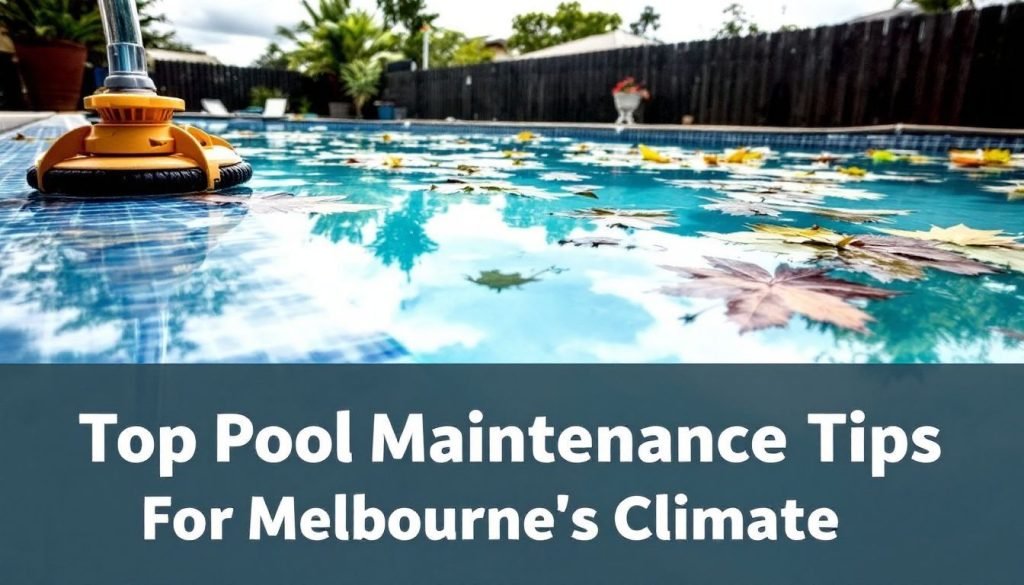
Cleaning your pool helps remove leaves and debris. This step is key before shocking your pool. A clean surface lets the chlorine work better. Dirty water can hide problems like algae or bacteria.
Improved water clarity makes swimming more enjoyable. Shocking raises the free chlorine level above 10mg/l, which kills harmful germs. After a good shock treatment, you will notice clearer water in no time.
Regular cleaning keeps your pool inviting and safe for everyone.
Steps to Shock Your Pool
Start by testing your pool water. Adjust the chemical levels as needed, then clean the pool and remove any debris. Measure the volume of your pool accurately. After that, add chlorine shock according to the instructions.
Finally, run your filter overnight to keep the water clear and safe.
Test and adjust water chemistry
Testing and adjusting water chemistry is crucial for your pool’s health. It helps to keep the water clean and safe.
- Test your pool water using a reliable testing kit. Check the pH level. The ideal range is between 7.1-7.3. Adjust the levels as needed.
- Assess chlorine levels in the pool. You want them to be higher than 10 mg/l for effective sanitation after shocking.
- Use chemicals to adjust the pH if needed. Add acid or base until you reach the correct range.
- Look for signs of algae or bacteria in your pool water. If it appears green, you will need to add more chlorine than usual during shocking.
- Calculate your pool volume correctly before shocking it. This helps you know how much shock treatment to use.
- Aim to test your water often, especially after heavy rain or high usage days.
- A pool shock calculator can help determine how much chlorine you need based on your tests.
Taking these steps ensures proper sanitisation and clear, inviting water in your pool!
Clean the pool and remove debris
Cleaning your pool is the next step. This ensures a clear and safe swimming environment.
- Start by skimming the surface. Use a skimmer net to remove leaves, insects, and other debris floating on top of the water. A clean surface helps with water clarity.
- Vacuum the pool floor. Use a manual or automatic vacuum to clear dirt from the bottom of your pool. This prevents buildup and keeps the water clean.
- Brush the walls and tiles. Use a pool brush to scrub away any algae or dirt stuck to the sides of your pool. Pay special attention to corners and steps where debris can collect.
- Clean out the skimmer basket and pump strainer. A full skimmer can reduce water flow. Make sure these areas are free of leaves and gunk for proper filtration.
- Check your filter system. Clean or backwash your filter if it’s dirty. A clean filter ensures that contaminants are removed effectively during shocking.
- Dispose of debris properly. Place collected leaves and dirt in a bag for easy disposal in your green bin or rubbish bin.
- Rinse off any cleaning tools before storage, preventing leftover chemicals from affecting other areas.
After removing debris, you’ll be ready to adjust your pool’s chemistry effectively before shocking it.
Measure pool volume
To shock your pool properly, you need to know the pool’s volume. This helps you calculate how much chlorine shock to use.
- Find the shape of your pool. Most pools are rectangular, oval, or circular. Knowing the shape will help you use the right formula.
- Use a measuring tape. Measure the length and width for rectangular pools. For circular pools, measure the diameter straight across.
- Calculate the volume for rectangular pools. Use this formula: Length × Width × Average Depth × 7,500 = litres of water in your pool.
- Calculate for circular pools. Use this formula: (Diameter × Diameter × Average Depth) × 0.7854 × 1,000 = litres of water in your pool.
- Consider other shapes. For irregular-shaped pools, break them into smaller sections and add up their volumes.
- Double-check your measurements. Accurate numbers matter for adding chlorine shock correctly.
- Keep records of your calculations. Write down these numbers to help with future maintenance and sanitation efforts.
- Adjust based on usage and weather conditions. More frequent shocking may be needed during hot days or heavy use to maintain pool sanitation and clarity.
Knowing your pool volume is key for effective shocking treatment using chlorine shock for pools in Melbourne.
Add chlorine shock
After you measure pool volume, you can add chlorine shock to your pool. This step is vital for sanitising your water and killing harmful bacteria and algae.
- Choose the right type of chlorine shock. There are different types available, like calcium hypochlorite and sodium dichloroisocyanurate. Make sure to pick one that fits your needs.
- Check the instructions on the product label. Each brand may have specific guidelines on how much to use based on your pool size.
- Calculate the amount needed using a pool shock calculator. This tool helps ensure you use the correct dose for effective sanitisation.
- Wear safety gear before handling chlorine shock. Use gloves and goggles to protect yourself from any splashes or fumes.
- Add the chlorine shock directly into the pool water. Walk around the edge of the pool while pouring it in to ensure even distribution.
- Run your filter overnight after adding chlorine shock. Doing this will help circulate the chemicals and clear up any debris.
- Test your pool water again after 24 hours. Check levels of free chlorine to confirm they are above 10mg/l for effective breakpoint chlorination.
- If you have a green pool, consider using more acid and chlorine than usual for a stronger treatment against algae growth.
- Keep in mind that shocking your pool regularly helps maintain proper chemical levels for clean and clear water.
- Always follow local regulations regarding chlorine treatment and disposal to keep Melbourne waters safe and clean during your pool maintenance routines.
Run filter overnight
Running your filter overnight is an important step in shocking your pool. This process helps to ensure that the chlorine works effectively.
- Set your filter to run for at least 8 hours. Let the filter do its job of circulating water throughout the pool. This allows the chlorine shock to mix well.
- Check the pressure gauge on your filter. If it reads too high, clean or backwash the filter before running it again. Clean filters work better.
- Monitor your pool’s pH level after the first hour of filtering. Adjust it between 7.1 and 7.3 if needed. Keeping a good pH balance helps with pool water sanitisation.
- Look for improvements in water clarity by morning. Shocking your pool raises free chlorine levels over 10mg/l, which helps remove bacteria.
- Observe any changes in algae growth after filtration runs overnight. If you see a light green pool, you may need additional treatment.
- Test your water chemistry again after 24 hours of filtering to confirm that chlorine levels are safe for swimming.
- Schedule regular superchlorination based on usage and environmental conditions to keep your pool clean and fresh.
Following these steps will help you maintain proper chemical levels in your pool and improve overall water clarity.
Tips for Effective Pool Shocking
Tips for Effective Pool Shocking:
Shock your pool at dusk. This ensures better results and keeps people safe from high chlorine levels. Use a pool shock calculator to know how much shock you need. Regular superchlorination helps keep the water clear and clean.
Shock at dusk for maximum effectiveness
Shocking your pool at dusk is smart. This timing helps keep the chlorine in the water longer. Sunlight can burn off unstabilised chlorine quickly. Adding shock when the sun goes down stops that from happening.
The goal of pool shocking is to raise free chlorine levels over 10mg/l. Doing this removes bacteria and reduces total chlorine in your swimming pool. For better results, always aim to do it at dusk for maximum effectiveness.
Use a pool shock calculator
A pool shock calculator can help you figure out how much chlorine you need. You should know your pool volume for accurate results. This tool makes it easy to calculate the correct amount of chlorine shock for your swimming pool.
Shocking a green pool requires more acid and chlorine than usual. The calculator can guide you in these situations as well. Always use the right dosage to ensure proper sanitation and clear water clarity after treatment.
Superchlorinate regularly
Superchlorination is an important step for pool care. This process involves adding a high dose of chlorine to your pool. It ensures proper sanitation and keeps the water clear. Regular superchlorination helps manage bacteria and algae levels.
You need to shock your pool often, especially if it gets heavy use or has lots of debris.
Testing your pool water will guide you on how much chlorine to use. Use a pool shock calculator to find the right amount based on your pool volume. It’s best to do this at dusk when sunlight won’t burn off unstabilised chlorine quickly.
If you have a light green pool, add more acid and chlorine than usual during superchlorination.
Consistent shocking can improve overall water clarity too. With frequent superchlorination, you raise free chlorine levels above 10mg/l for breakpoint chlorination. Keep an eye on factors like usage and environmental conditions to decide how often to shock your pool properly.
Conclusion
Shocking your pool is key to clean water. Follow the steps we discussed for the best results. Test and adjust your chemicals first. Clean up debris to help clarity. Shock at dusk for better effectiveness.
Enjoy a safe and sparkling pool!
FAQs
1. What is the right way to shock my pool in Melbourne?
The right way to shock your pool involves a process called superchlorination, which includes adjusting the pool pH level, adding a high concentration of chlorine for purification and balancing other chemicals.
2. How does swimming pool shock treatment affect water clarity?
Swimming pool shock treatment has a direct effect on water clarity. It helps remove debris and green algae that can make your pool look cloudy.
3. When should you perform the pool shock time and process?
Pool shock timing is vital for effective results. It’s best done at dusk or night when there’s no sunlight to degrade the chlorine before it has had its desired effect.
4. What role do chemicals play in shocking a Melbourne swimming pool?
Chemicals are crucial in shocking pools as they help purify the water by killing bacteria, removing unwanted debris and maintaining optimal chemical levels for safety and clarity.
5. Can I use any type of chlorine for my green pool shock treatment?
No, not all types of chlorine will work effectively with green pools; you need to use specific concentrations known as “shock therapy” designed specifically for this purpose.